Top Las Vegas Car Window Tinting Services Today
Automotive Window Tinting: Improve Privacy and Protect Your Interior
Window tinting for vehicles functions as a practical solution for vehicle owners wanting enhanced privacy and protection. It effectively restricts visibility, improving the security of both occupants and belongings. Furthermore, it delivers substantial safeguarding against harmful UV rays, protecting the car's interior. As the discussion develops, the implications of these advantages become increasingly relevant, prompting consideration of various factors involved in the tinting process. What decisions must one navigate to achieve the desired results?
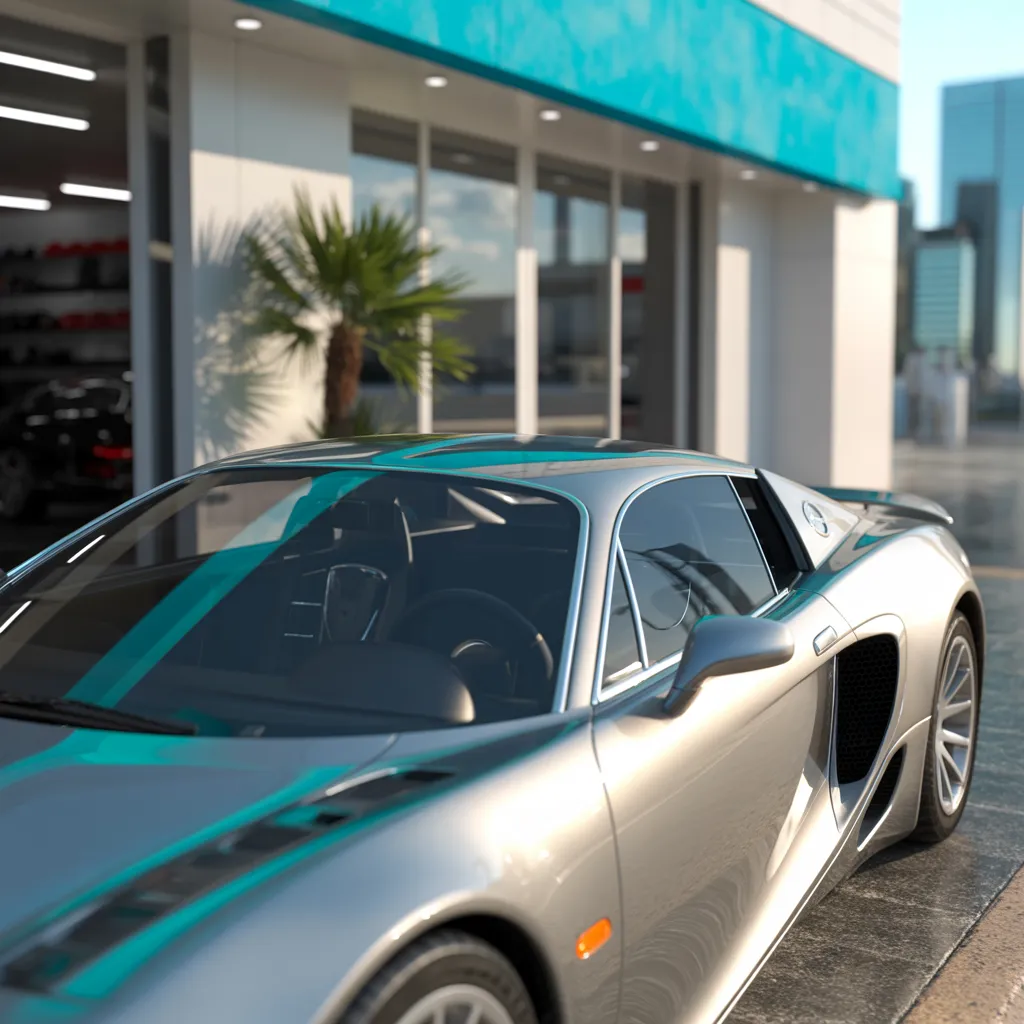
The Benefits of Car Window Tinting for Privacy
While countless vehicle owners emphasize looks or sun protection when thinking about car window tinting, the boost of privacy emerges as a significant benefit. Tinted windows provide a barrier that controls the view into the vehicle, granting occupants a improved sense of security. This elevated privacy can deter potential thieves, as valuable items inside become less visible. Additionally, a private space lets passengers to feel more comfortable, minimizing the likelihood of unwanted attention in public settings.
Furthermore, privacy tinting can contribute to a more enjoyable driving experience by decreasing distractions from the outdoor setting. It creates an atmosphere of retreat, allowing occupants to enjoy conversations or relax without feeling vulnerable. As urban areas turn increasingly crowded, the demand for privacy-enhancing options in vehicles continues to rise, making window tinting an compelling choice for many. Therefore, privacy remains a convincing reason for drivers to consider car window tinting.
How Car Window Tint Protects Your Interior From UV Rays
Car window tinting serves as an essential shield against harmful UV rays that can harm a vehicle's interior. The sun's ultraviolet radiation can cause significant wear and tear on upholstery, dashboards, and other materials, causing fading and deterioration over time. By applying window tint, vehicle owners can effectively block up to 99% of these UV rays, substantially reducing the risk of sun-related damage.
This shielding coating not only preserves the visual attractiveness of the interior but also extends the longevity of multiple components. For instance, leather seats are less likely to crack, and plastics are less susceptible to warping or discoloration. Additionally, maintaining the vehicle's interior quality can ultimately contribute to its resale value, as a pristine cabin is more appealing to potential buyers. As a result, car window tinting not only enhances comfort and privacy but also serves as a practical investment in protecting the vehicle's interior from the sun's damaging effects.
Lessening Glare for a Much More Comfortable Ride
A major advantage of car window tinting is its ability to reduce glare, making driving both safer and more pleasant. Glare from sunlight can hinder a driver's vision, raising the risk of accidents. By applying window tint, the intensity of harsh sunlight is decreased, allowing for better visibility on the road. This is especially useful during morning hours or late afternoon when the sun is low in the sky.
Moreover, reduced glare can lessen eye strain, leading to a more comfortable driving experience. Passengers likewise enjoy lessened brightness, making extended trips more enjoyable. Increased comfort is essential for both drivers and passengers, as it can lead to better focus and alertness.
At the end of the day, automotive window tinting acts as a effective solution for managing glare, promoting a safer environment for all individuals on the road. By deciding to tint their windows, drivers can benefit from a more pleasant, more comfortable ride.
Selecting the Perfect Tint: Understanding Types and Levels
What factors should be considered when choosing the right window tint? To start, the type of tint is critical. Options include dyed, metalized, ceramic, and hybrid tints, with each type offering various advantages. Dyed tints deliver privacy but may fade over time, while metalized tints reflect heat and UV rays but can interfere with electronic signals. Ceramic tints are celebrated for their durability and exceptional heat rejection, making them a preferred selection.
Next, the tint level, determined by Visible Light Transmission (VLT) percentage, is vital. A lower VLT represents darker tint, which improves privacy and minimizes glare but may impact visibility. Conversely, a higher VLT permits more light in, delivering a balance between comfort and clarity.
In addition, personal preferences, climate conditions, and the vehicle's intended use should be factored in. Finally, the right tint merges desired aesthetics with utility, guaranteeing both comfort and protection for the vehicle's interior.
Comprehending Tinting Regulations: What You Need to Know
Steering through window tinting regulations is essential for vehicle owners, as laws can vary significantly by state. Important elements to keep in mind include the allowable visible light transmission levels and the legal percentages of tint for different windows. Comprehending these details helps guarantee compliance and avoids potential penalties.
Regional Regulatory Requirements
Although most states authorize some form of window tinting, rules vary significantly, making it crucial for vehicle owners to understand area laws. Each state has specific requirements concerning the darkness and reflectivity of window tints, often distinguishing between front and rear windows. Some states allow darker tints, while others enforce strict limits to maintain driver visibility. Additionally, certain areas may mandate special permits or certifications for aftermarket installations. Vehicle owners should also be aware that regulations can differ markedly between passenger vehicles and vans or SUVs. Overlooking local tinting laws can result in fines or required removal of non-compliant tints, making it essential to remain informed and compliant with state-specific requirements.
Visual Light Transmission
Visible Light Transmission (VLT) holds significant importance in defining the legality of window tints across numerous states. VLT indicates the percentage of visible light that can pass through tinted windows, directly affecting both aesthetics and safety. Laws regulating VLT fluctuate considerably; some states enforce strict limits, while others offer more lenient guidelines. Understanding VLT is essential for vehicle owners, as going beyond legal limits can lead to fines and mandatory removal of the tint. Moreover, law enforcement officers often use VLT measurements to evaluate compliance during traffic stops. Consequently, future tint users must familiarize themselves with local laws to confirm their choices increase privacy without violating legal standards.
Authorized Tint Percentages
Which legal tint percentages must vehicle owners understand? Window tinting regulations differ significantly throughout various states and localities, making it crucial for automobile owners to learn about area-specific rules. In most cases, many states authorize a specific percentage of VLT (VLT) for front-side windows, often ranging from 25 to 70 percent. The rear windows may have more relaxed requirements, with percentages occasionally falling as low as 5%. Additionally, regulations may vary for vans and SUVs as opposed to conventional automobiles. What's more, some states disallow metallic tints entirely. Vehicle proprietors should check state-specific laws to avoid fines and confirm adherence, as breaches can result in costly penalties and the necessity of expensive alterations to tint application.
Is DIY or Professional Tinting Right for You?
When deciding whether to approach car window tinting as a DIY project or hire a professional, people must consider the advantages and disadvantages of each approach. DIY tinting can be budget-friendly, allowing car owners to save on labor expenses. However, it requires time, patience, and a certain level of skill to achieve a perfect result. Mistakes can cause bubbles, peeling, or misalignment, which may call for a professional do-over.
On the other hand, hiring a professional provides high-quality outcomes, as skilled technicians have the right tools and knowledge. They can manage legal requirements and offer warranties on their work, delivering peace of mind. Nevertheless, professional services can be significantly more expensive than a DIY undertaking.
Ultimately, the decision rests on personal skill level, budget, and desired outcome. Weighing these factors will assist individuals to make an informed choice that best meets their needs for car window tinting.
Care Guidelines for Durable Window Tinting
Keeping up with window tinting is crucial for guaranteeing its durability and performance. Routine cleaning with mild techniques can protect the appearance and clarity of the tint. Furthermore, avoiding harsh chemicals will stop damage and fading over time.
Regular Cleaning Techniques
Regular cleaning practices play an crucial role in preserving the condition and appearance of window tinting. To ensure ideal conditions, it is suggested to use a soft microfiber cloth for cleaning, as it decreases the risk of scratching the tint. A gentle, ammonia-free cleaner should be applied to the cloth rather than directly onto the tinted surface, avoiding excess moisture from seeping into the edges. Regularly wiping down the windows helps remove grime and grime, providing clear more information visibility. It is recommended to clean the windows in cooler temperatures to avoid rapid drying, which can leave streaks. Adhering to these practices can prolong the life of window tinting while keeping the vehicle looking pristine and well-maintained.
Staying Away from Strong Chemical Agents
Choosing the right cleaning products is crucial for preserving the longevity of window tinting. Strong chemicals, such as ammonia-based cleaners, can damage the tint, resulting in bubbling and discoloration. Instead, it is best to opt for gentle, non-abrasive solutions specifically designed for tinted windows. These products typically contain mild ingredients that effectively clean without compromising the tint's integrity. Furthermore, using soft microfiber cloths stops scratches that could damage the film. Regular maintenance should focus on avoiding any substances that could react negatively with the tint. By being mindful of cleaning agents, car owners can guarantee their window tint remains in excellent condition, improving both privacy and vehicle aesthetics for years to come.
Questions & Answers
How Long Can You Expect Car Window Tinting to Last?
Automotive window tinting usually lasts between five to ten years, depending on factors including the grade of the tinting film, the installation process, climate, and maintenance. Proper maintenance can substantially extend the tinting's durability.
How Easy Is It to Remove Window Tinting?
Window tint can be taken off, but the removal difficulty differs based on the bonding agent and application method. Professionals usually recommend professional support for a thorough, damage-free extraction that avoids surface scratches or adhesive residue.
Will Window Tinting Minimize Heat Inside the Car?
Indeed, window tinting significantly reduces heat inside a car. By deflecting sunlight and blocking harmful UV rays, tinted windows aid in maintain a cooler interior, enhancing comfort for occupants during hot weather conditions.
Does Window Tinting Impact My Car Insurance?
Window tinting typically doesn't impact car insurance costs. However, some insurers may provide discounts for vehicles with tinting that improves safety or reduces theft risk. It's recommended to verify particular policy details for confirmation.
Is It Legal to Tint My Car Windows Myself?
Applying window tint to one's vehicle is typically lawful, as long as one complies with local laws regarding tint opacity and positioning. One must research precise statutes in one's jurisdiction to prevent potential fines or legal issues.